Norwegian Seals
Toggle navigation menu
Home/R&D Laboratory

R&D
Laboratory

Characterisation, testing and qualification of polymer materials and sealing components for high-pressure, high-temperature and chemically aggressive service.

The laboratory covers elastomers, thermoplastics and composites — from raw materials and semi-finished billets to finished seals and engineered components.

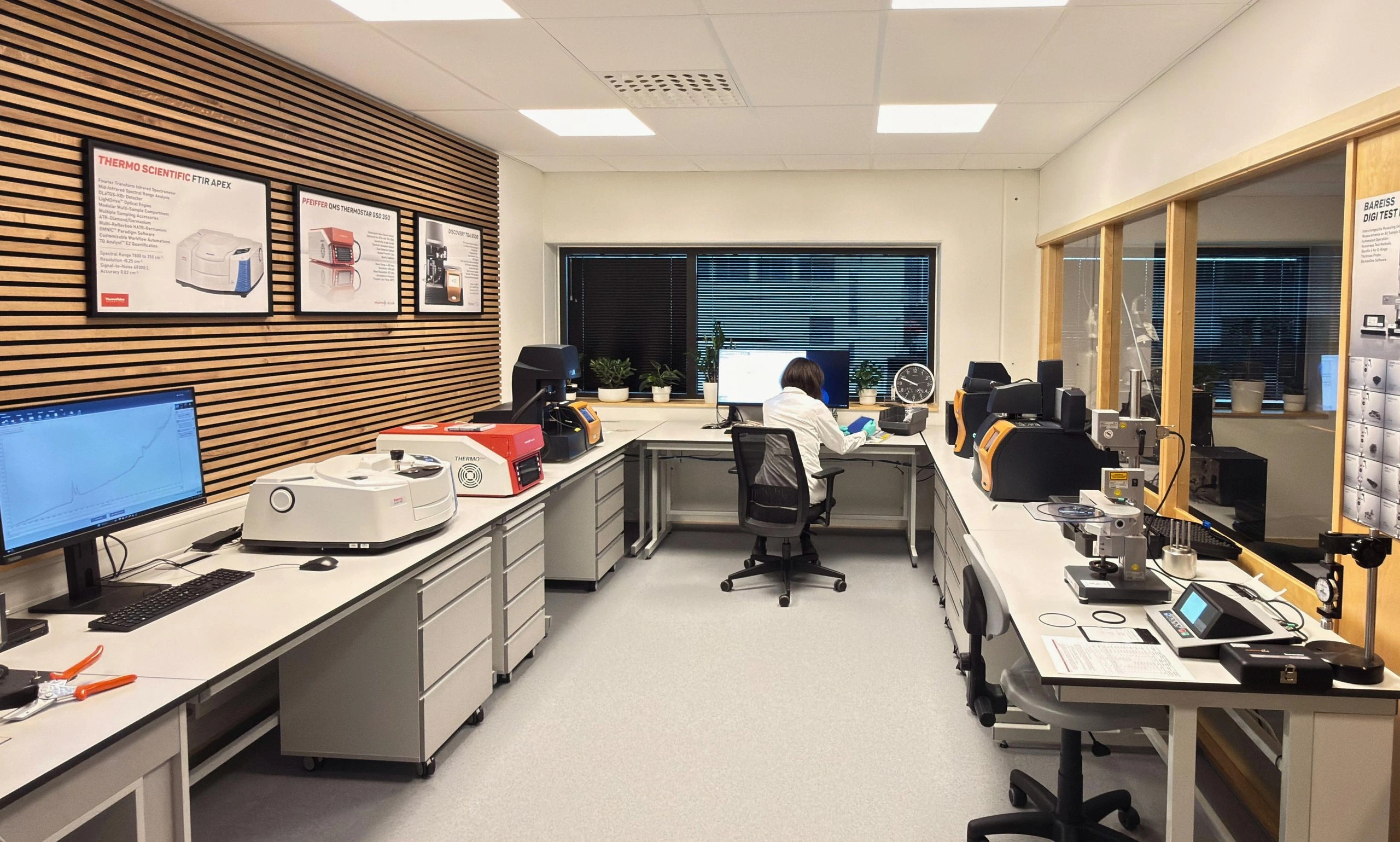
The methods include thermal analysis, evolved gas analysis, infrared spectroscopy, elemental analysis, mechanical testing, optical metrology and controlled aging. Results are interpreted together to establish composition, processing history, performance limits and degradation mechanisms.

Laboratory work supports quality control of incoming materials, development and qualification of new compounds, reliability assessments, root-cause analysis of failed components, and numerical simulation of seal behaviour. Each new material is documented with a material passport including FEA material models.

The laboratory serves Norwegian Seals' own manufacturing and engineering functions, and provides independent testing and technical consultancy to clients in the traditional oil and gas, renewable energy, chemical processing, and high-technology industries.

Norwegian Seals R&D Laboratory, main instrument room
01

What the laboratory is built to do

Material development

We develop new elastomer and thermoplastic compounds tailored to specific industry applications, taking each material from formulation concept through processing trials and property verifications to qualification against the relevant industry standards.

Reliability studies

We assess material performance under representative operating conditions through structured testing, robustness studies and service-life estimation. The results help identify failure risks, understand degradation and evaluate whether materials are suited to demanding applications.

Quality assurance

We verify materials and finished products against applicable industry standards, regulatory requirements and customer specifications. Checks include conformance analyses, inspection certificates and shelf-life evaluations for incoming materials and finished parts, supporting consistent production decisions.

Numerical simulations

We use numerical modelling to predict material and component behavior, supporting design optimization, verification and validation. Analyses can incorporate nonlinear responses and temperature- and pressure-dependent material properties to inform engineering decisions across demanding operating conditions.

Client technical consultancy

We provide focused technical guidance and custom testing shaped around a specific customer question. Support can include material assessment, failure diagnosis and interpretation of test results, helping teams evaluate practical options with relevant evidence.

Support for innovation

We support collaborative development through joint industry projects and research and innovation programs. The laboratory contributes material expertise, testing and qualification to help assess new technologies and develop sealing solutions for emerging technical requirements.

02

Three pillars, one laboratory

PILLAR I

Consultancy

We provide the full lifecycle of scientific and technical consultations, addressing the most demanding challenges in material selection, material analysis and testing, compatibility assessments and component design. Services span design engineering, reliability studies and failure diagnosis, each supported by documented laboratory evidence.

PILLAR II

Innovation

We identify emerging market needs, scout technologies relevant to sealing applications and translate future trends such as hydrogen service, carbon capture and storage, and PFAS-free fluoroelastomer chemistry into engineered solutions. We participate in joint industry projects and nationally funded research programmes.

PILLAR III

Development

We develop best-in-class materials and emerging products for the Norwegian Seals portfolio. The 2026–28 roadmap covers FKM, FFKM, FEPM, HNBR, EPDM and TPU grades, each documented with a material passport and qualified to standards including NORSOK M-710, ISO 23936-2 and API 6A.

03

Staff

Material experts responsible for laboratory operations, test programs, and technical reporting.

Portrait of Paweł Sobecki

Paweł Sobecki

Materials Expert R&D Laboratory Lead

25 years in Polymer Science 12 years in Energy Industry 12 years in Sealing Technology

Paweł brings expertise in polymer and nonmetallic materials science across industry and academia. He has held responsibility for research and development, project management, quality assurance, procurement, and technical sales, and has managed laboratory operations.

Portrait of Monika Zawisza

Monika Zawisza

Senior Polymer Engineer Laboratory Specialist

15 years in Polymer Science 10 years in Energy Industry 10 years in Sealing Technology

Monika has gained experience in polymer science across industry and academia. Her background covers research and development, quality assurance, project management, and extensive laboratory operational excellence, method development, and documentation handling.

04

Analytical and test instrumentation

TA Instruments Discovery DSC 2500 differential scanning calorimeter with autosampler

Thermal analysis

DSC Calorimeter

TA Instruments Discovery DSC 2500

A premium research-grade calorimeter that utilizes advanced Tzero technology and standard Modulated DSC (MDSC) to accurately measure heat flow and thermal transitions — such as glass transition, melting, crystallization, and curing — across a wide temperature range from -120 to 725 °C for advanced material characterization.

View details
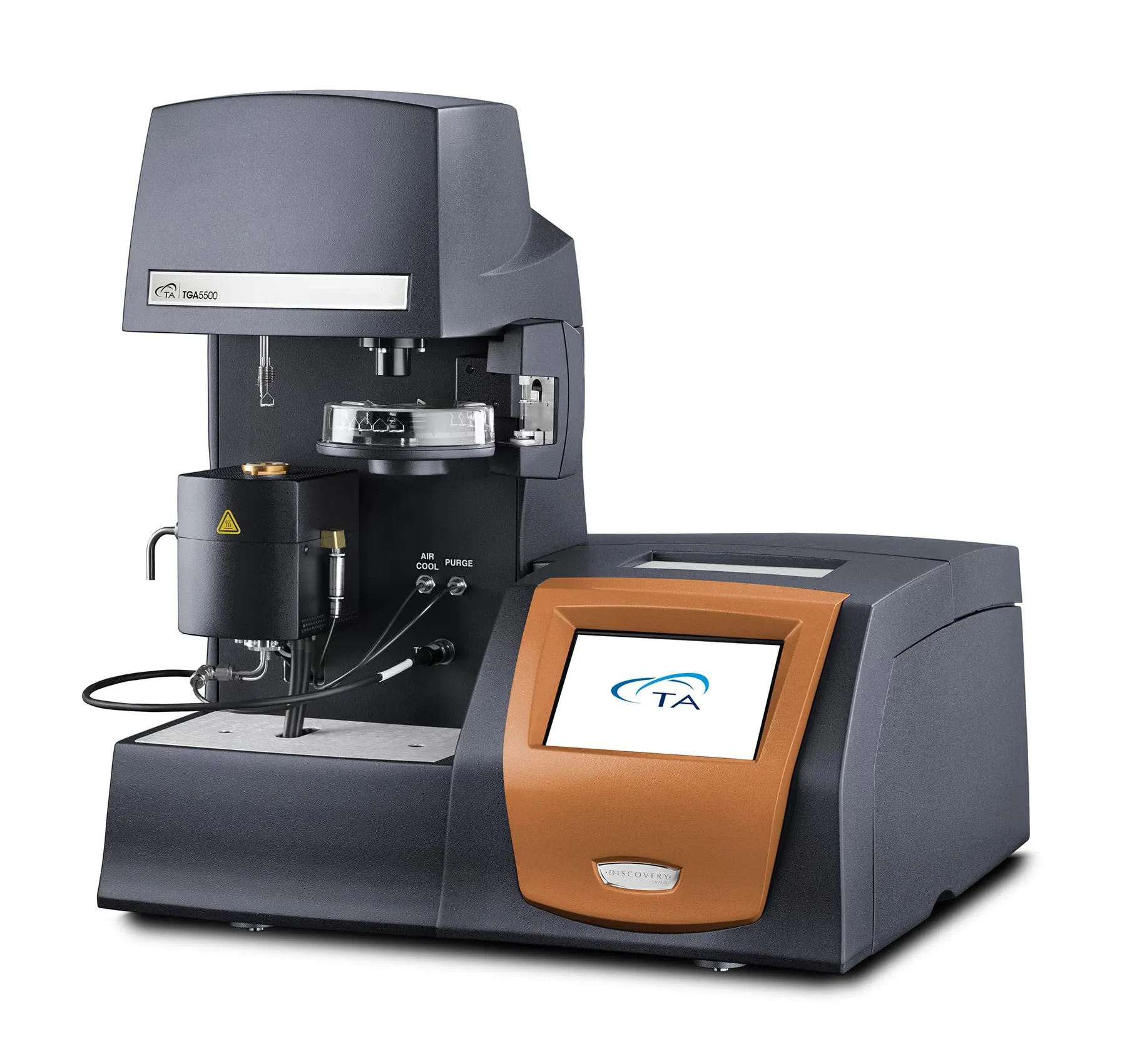
TA Instruments Discovery TGA 5500 thermogravimetric analyzer

Thermal analysis

TGA Thermobalance

TA Instruments Discovery TGA 5500

A high-performance thermogravimetric analyser with an infrared-heated furnace and Tru-Mass balance that measures mass change as a function of temperature and atmosphere, quantifying polymer, plasticiser, carbon black and inorganic filler content, as well as thermal and oxidative stability, from ambient to 1200 °C.

View details
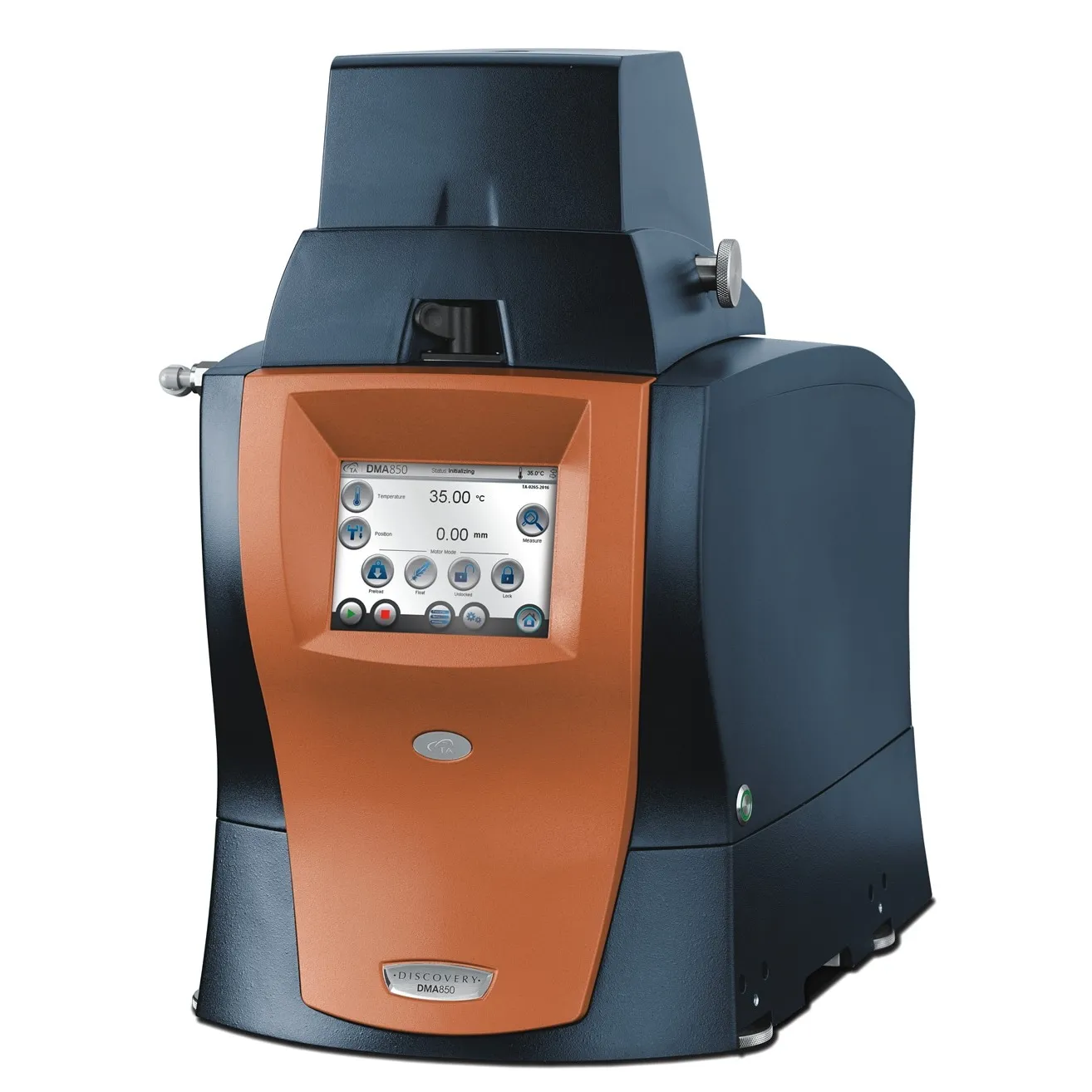
TA Instruments Discovery DMA 850 dynamic mechanical analyzer

Thermomechanical analysis

DMA Tester

TA Instruments Discovery DMA 850

A dynamic mechanical analyser with non-contact drive motor and air-bearing technology that measures storage modulus, loss modulus and damping in tension, compression, bending and shear, determining viscoelastic behaviour, glass transition and FEA input data from -160 to 600 °C.

View details
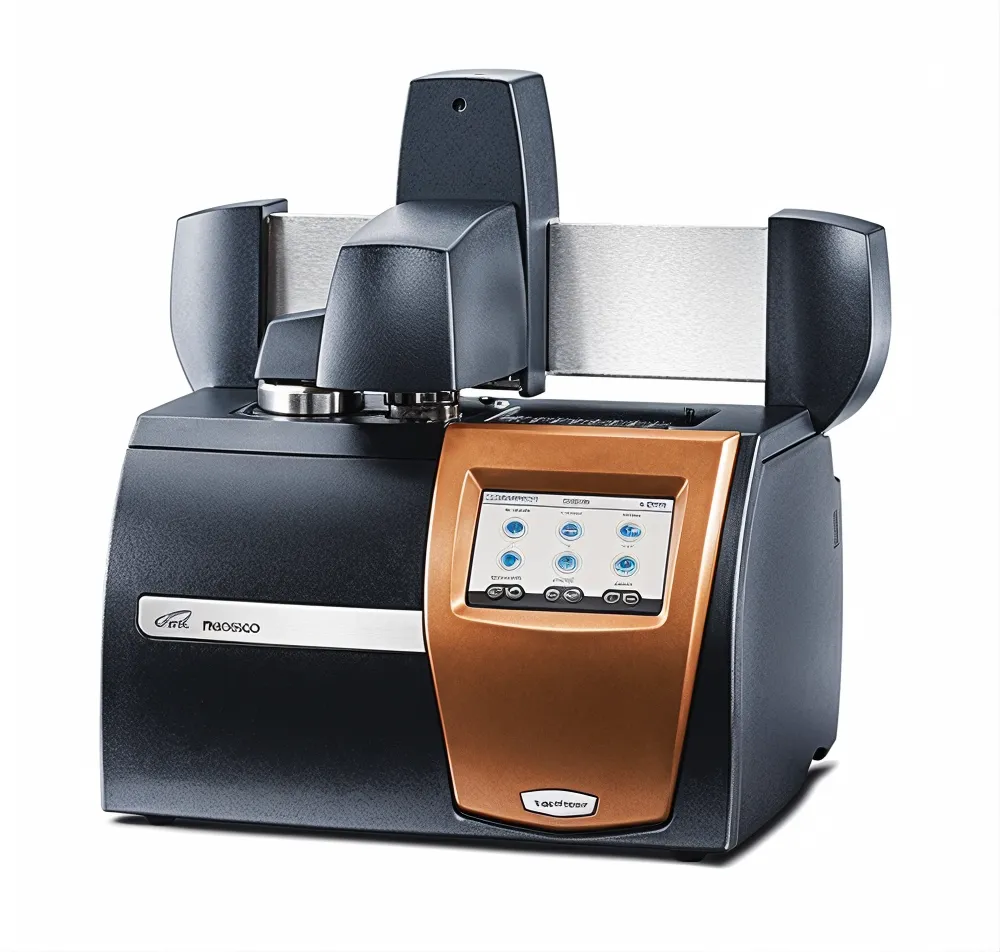
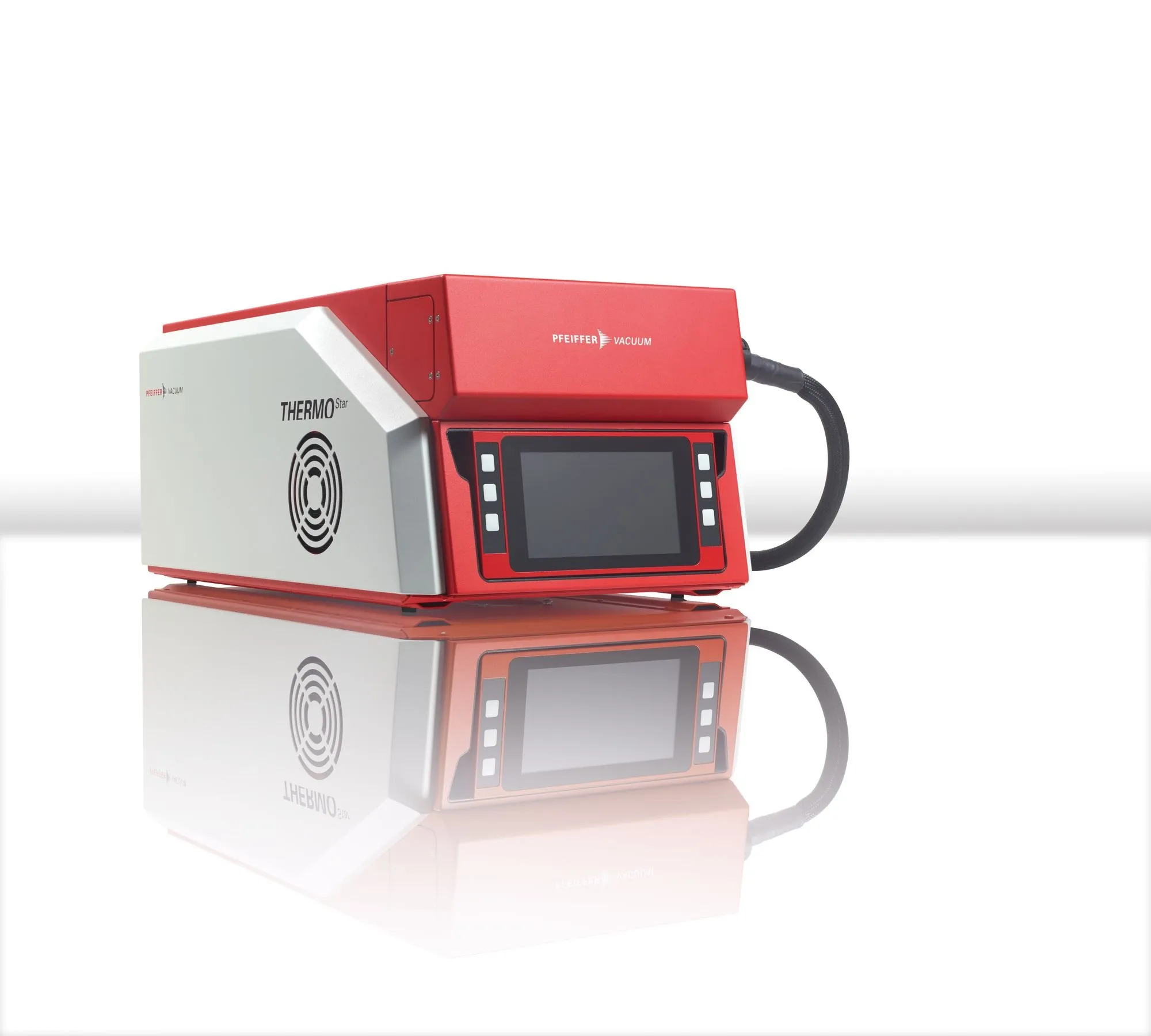
Quadrupole mass spectrometer coupled to a thermogravimetric analyzer

Evolved gas analysis

QMS Mass Spectrometer

TA Instruments Discovery MS

A benchtop quadrupole mass spectrometer coupled to the thermobalance through a heated capillary interface, identifying gaseous species evolved during heating and decomposition — additives, plasticisers, residual monomers and fluorinated fragments — over a mass range of 1 to 300 amu.

View details
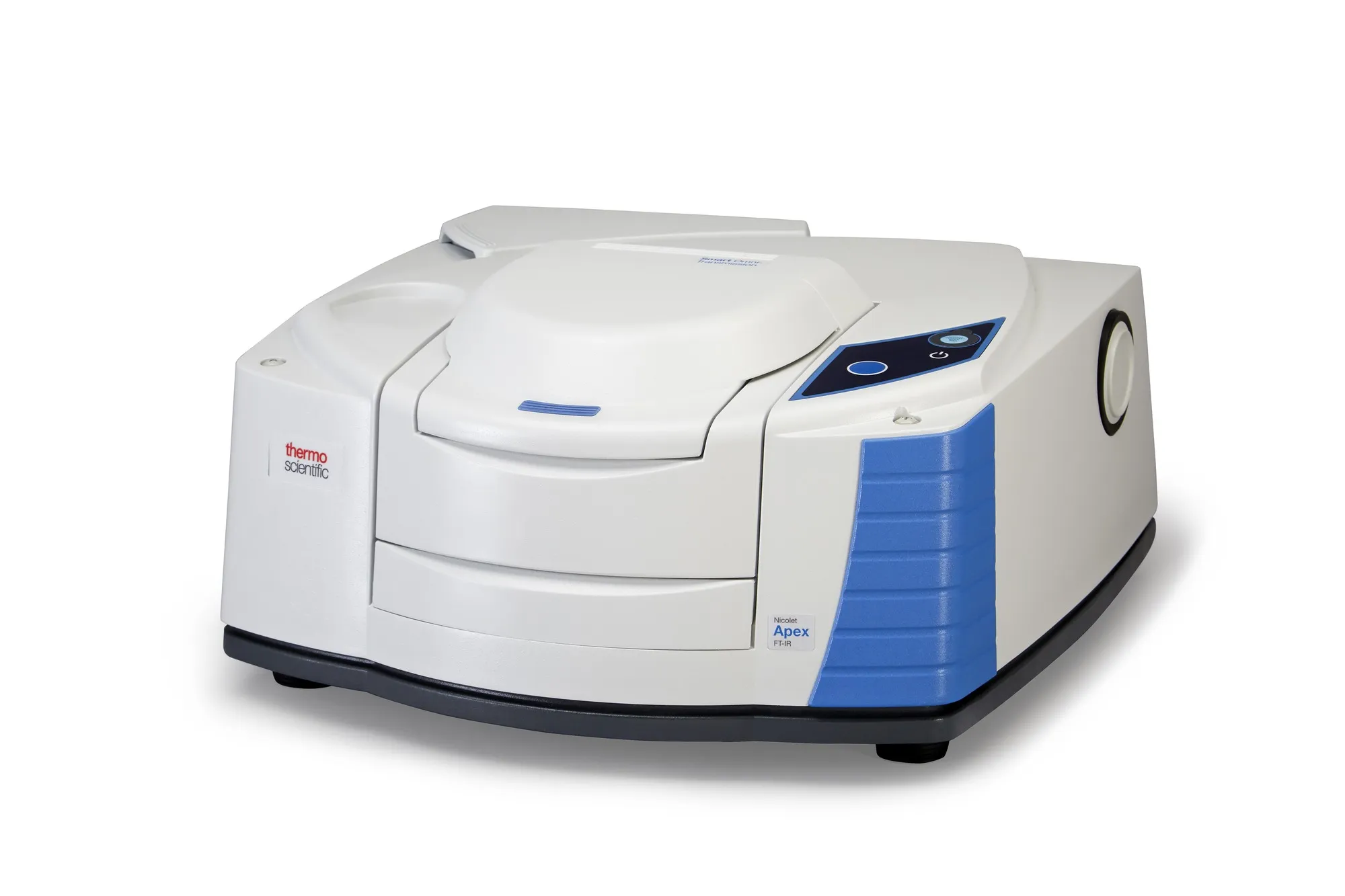
Thermo Scientific Nicolet Apex FTIR spectrometer

Spectroscopy

FTIR Spectrometer

Thermo Scientific Nicolet Apex

A research-grade Fourier transform infrared spectrometer with diamond ATR sampling that identifies polymer families, curing systems, fillers and chemical degradation products, supported by a spectral library of more than 10,000 references for material verification, conformance testing and failure analysis.

View details
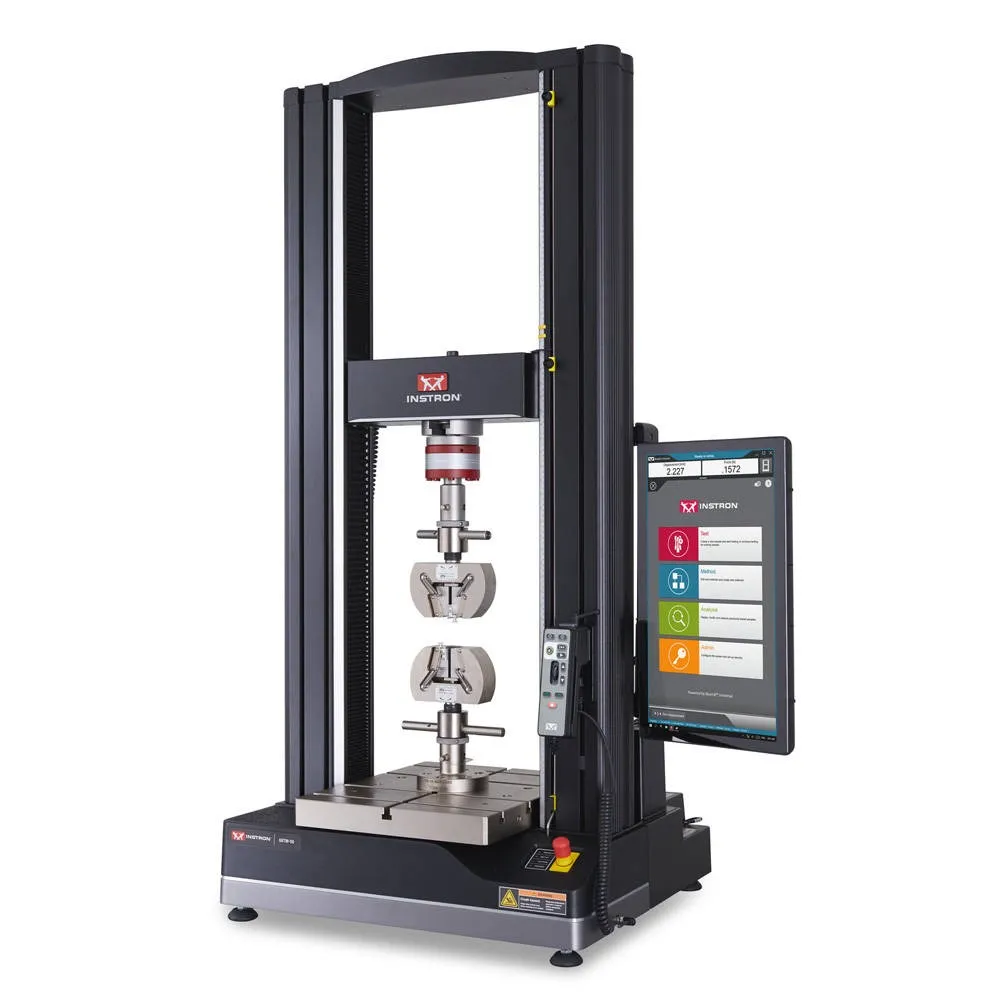
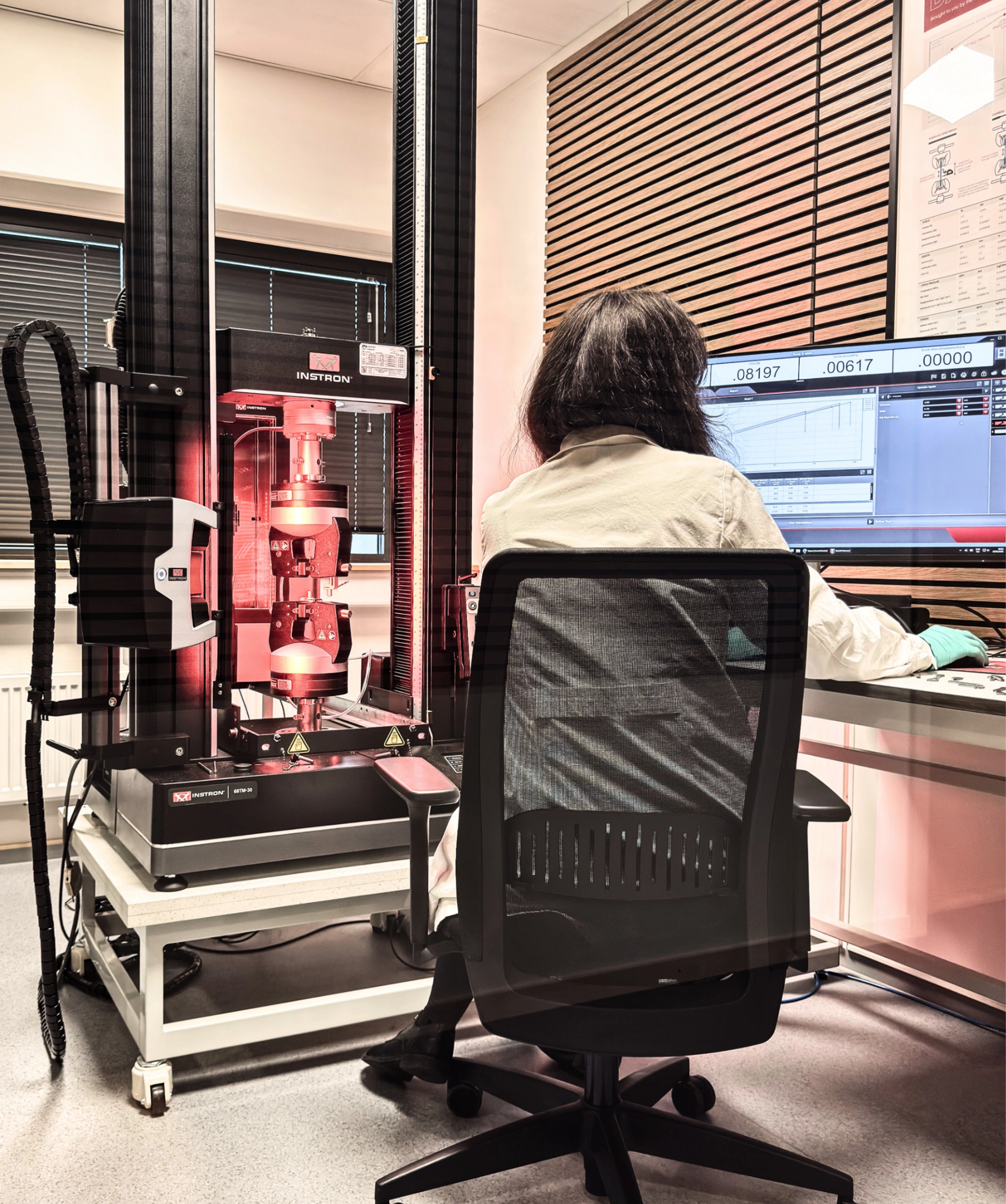
Instron 68TM-30 universal testing system

Mechanical testing

Universal Mechanical Tester

Instron 68TM-30

A 30 kN dual-column electromechanical testing system with environmental chamber, video extensometry and digital image correlation that performs tensile, compression, tear, stress-relaxation and component tests on elastomers, thermoplastics and finished seals from -90 to 350 °C.

View details
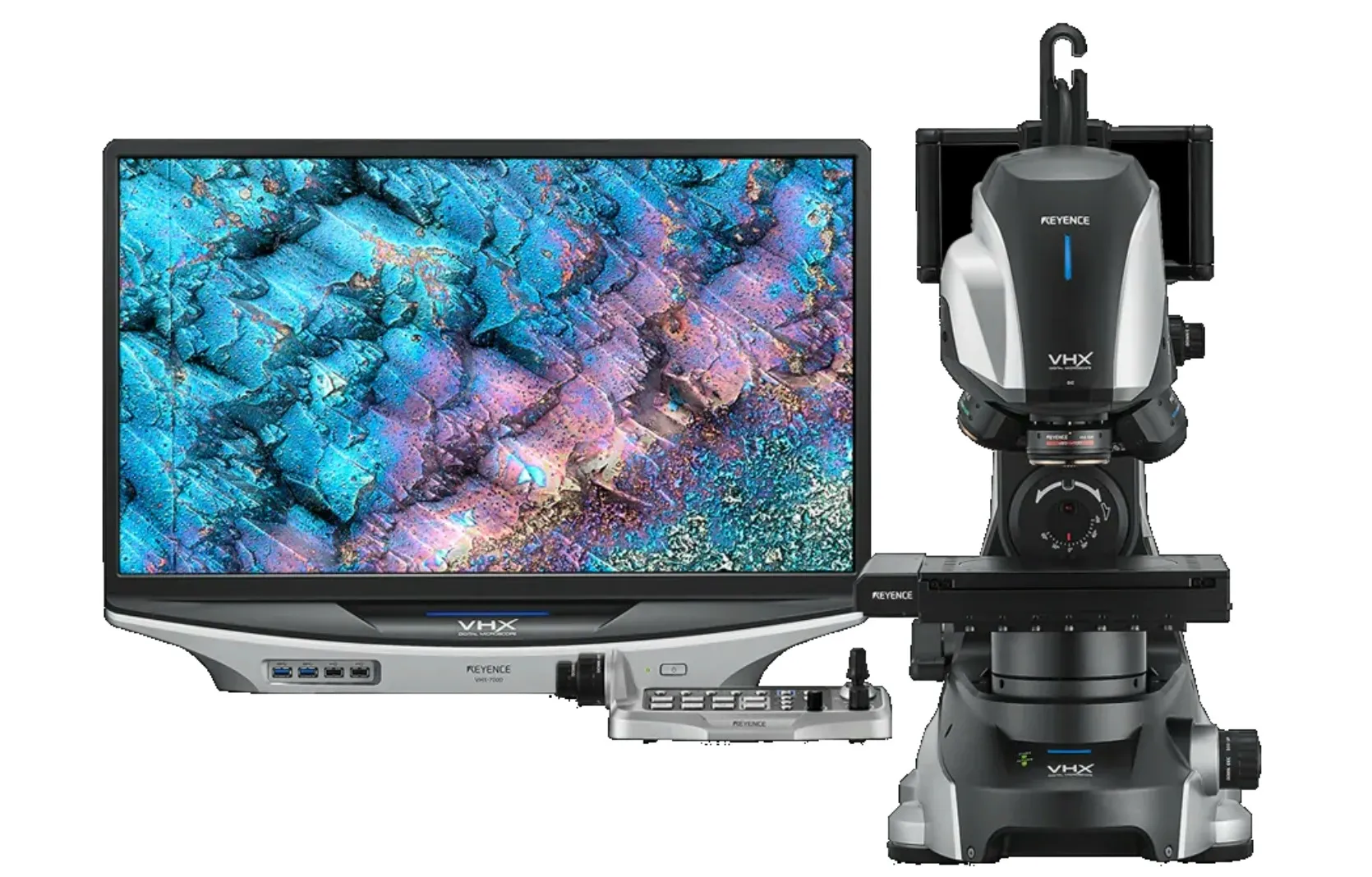
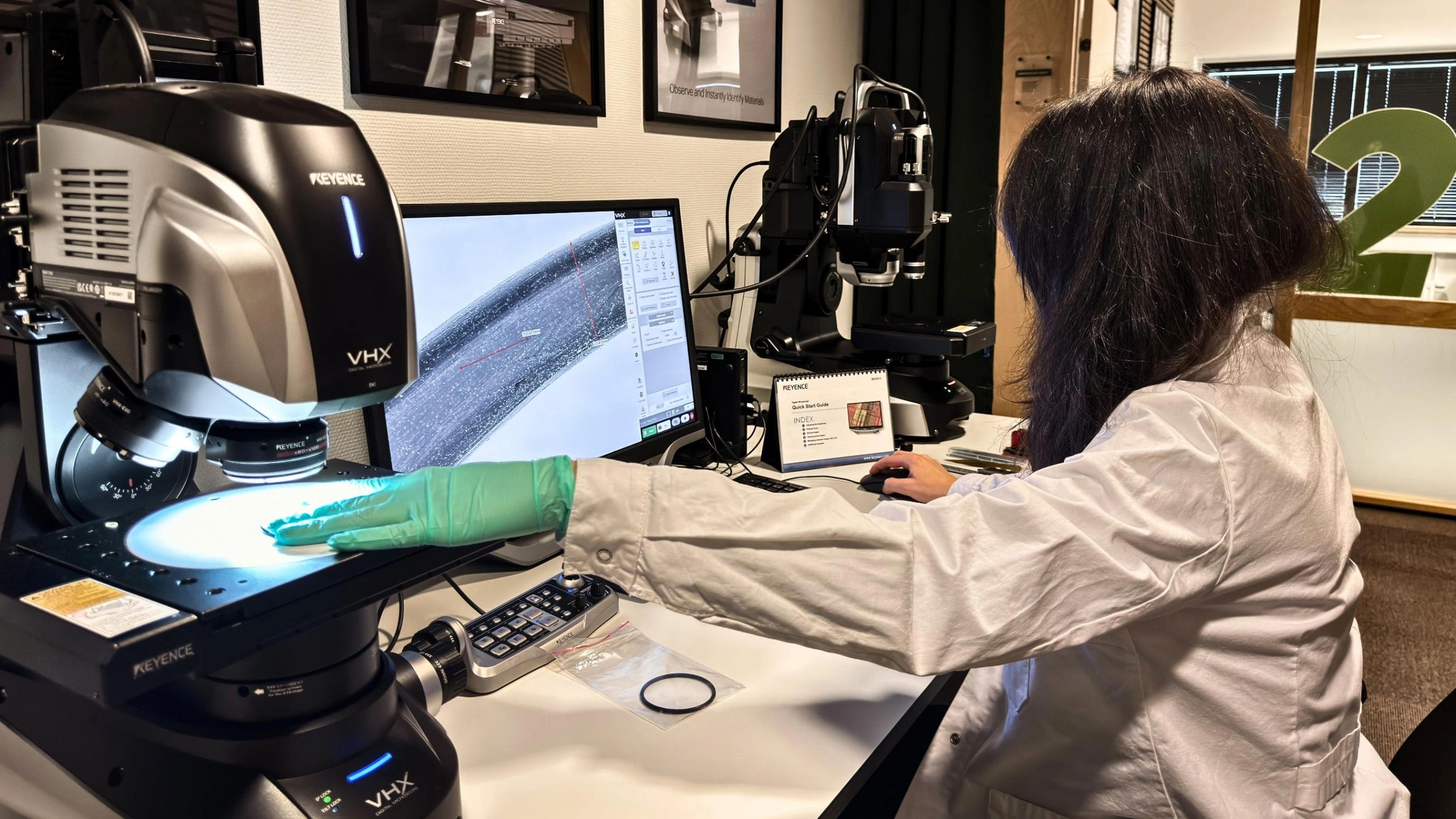
Keyence VHX-7000 3D digital microscope

Optical metrology

3D Digital Microscope

Keyence VHX-7000 series

A 4K digital microscope with fully integrated optics and motorised stage that delivers high-resolution imaging from 5 to 2500× magnification, depth composition, 3D surface profiling and roughness measurement for fractography, surface defect inspection and dimensional control of sealing components.

View details
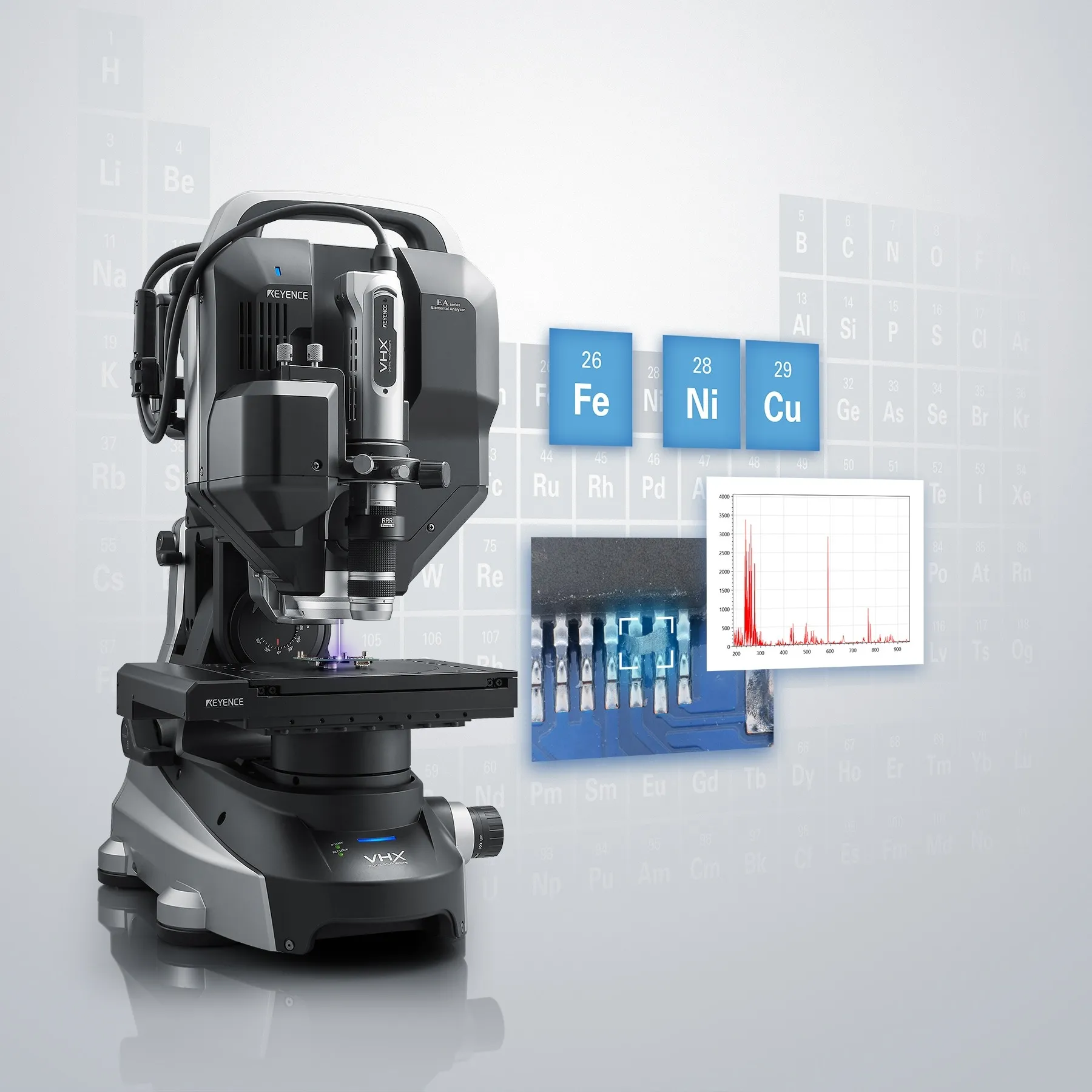
Keyence EA-300 LIBS elemental analyzer on a digital microscope

Elemental analysis

LIBS Elemental Analyzer

Keyence EA-300

A laser-induced breakdown spectroscopy analyser integrated with the digital microscope that performs elemental identification from hydrogen to uranium within seconds, locating and characterising inclusions, contamination particles and inorganic fillers directly at the region of interest.

View details
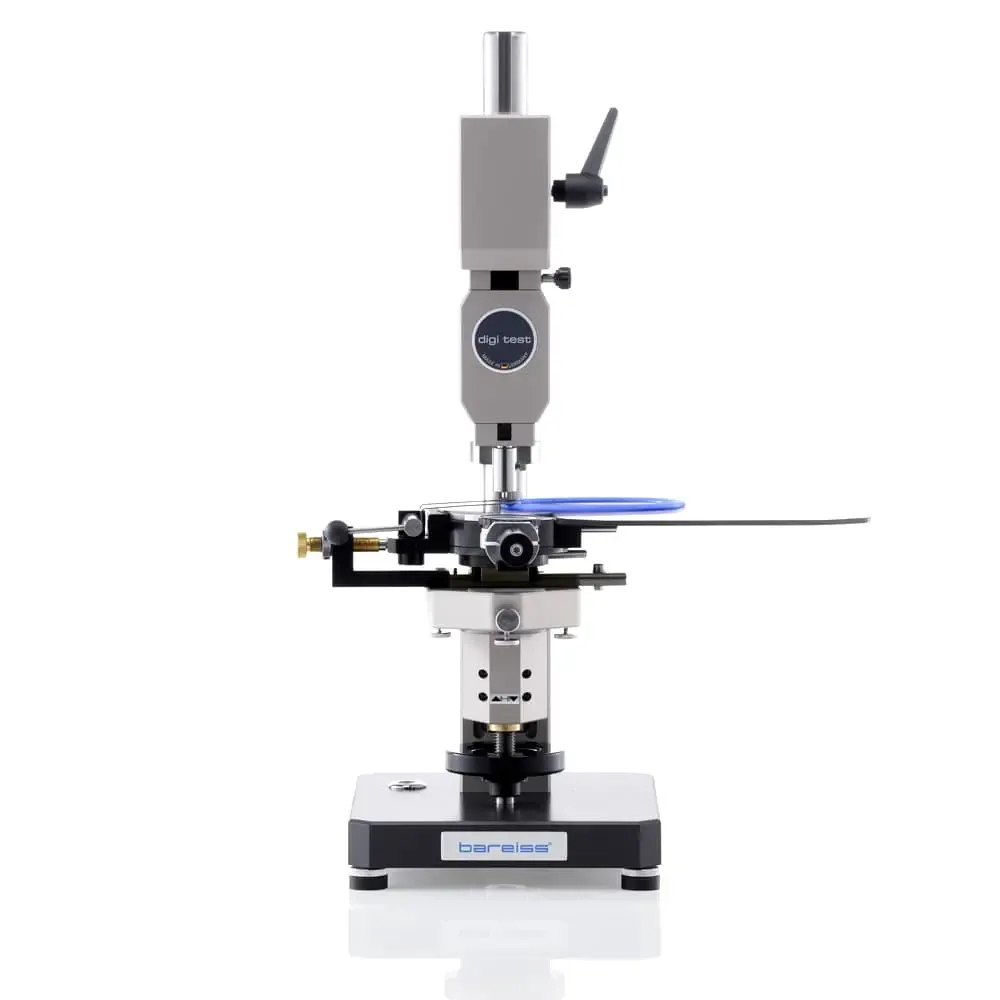
Bareiss digi test II automatic hardness tester

Physical properties

Hardness Tester

Bareiss digi test II

An automatic hardness testing system with Shore A, AM, B, D, 000 and IRHD measuring heads that determines the hardness of standard test pieces and finished O-rings, using laser-assisted centering and constant loading for operator-independent results to ISO 48 and ASTM D2240.

View details
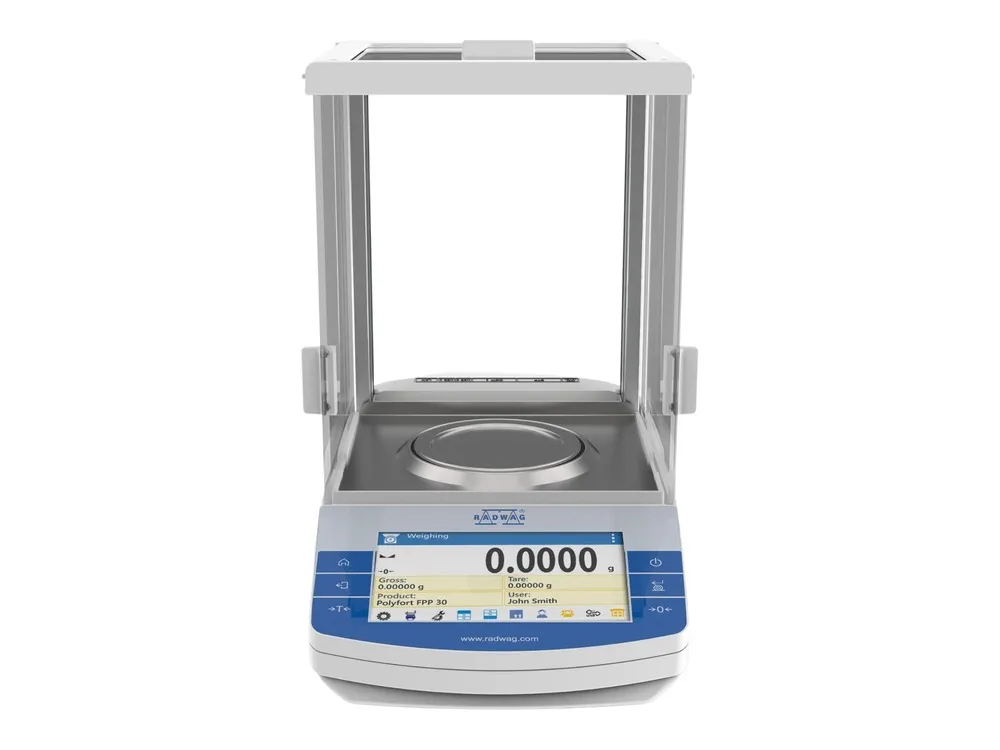
Radwag AS 220.X2.PLUS analytical balance

Physical properties

Density meter

Radwag AS 220.X2.PLUS with density determination kit

An analytical balance with 220 g capacity, 0.1 mg readability and internal automatic adjustment, fitted with a density kit that applies Archimedes’ principle to determine the density and specific gravity of solid materials — virgin and aged elastomers, plastics and composites — as well as fluid samples.

View details
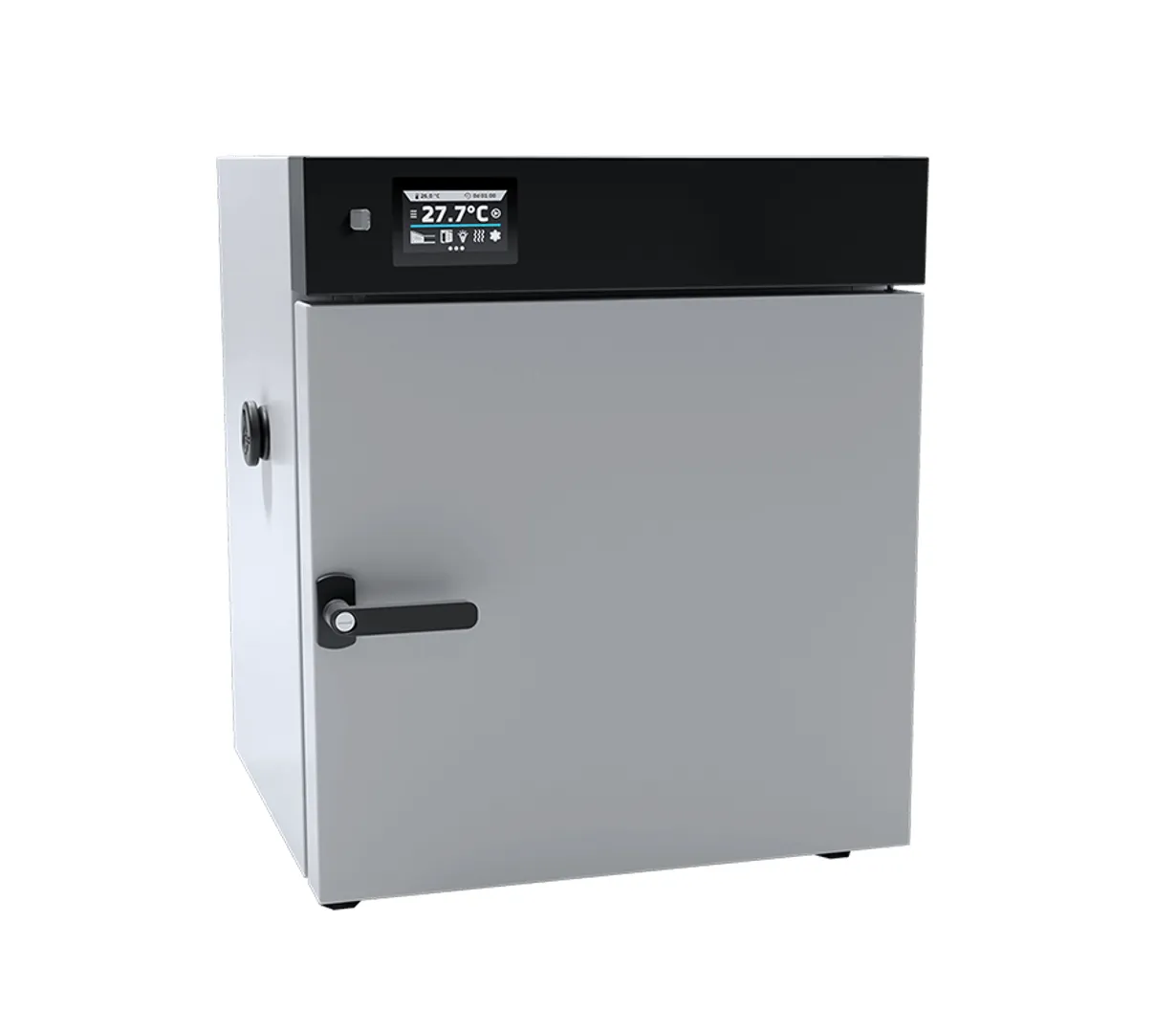
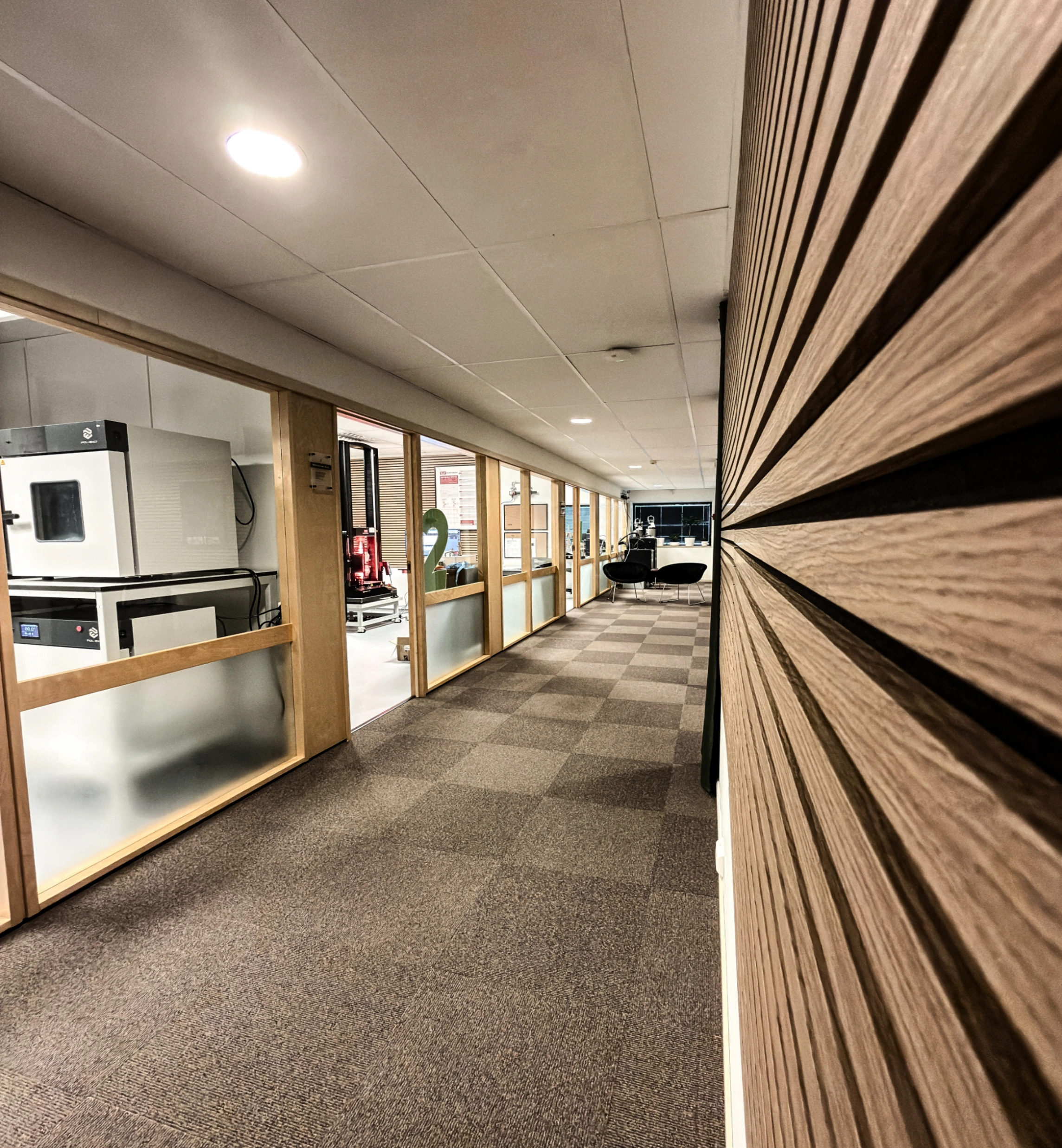
POL-EKO SLW SMART forced-air laboratory oven

Aging and exposure

Aging Ovens

POL-EKO SLW SMART ovens and PTFE-lined autoclaves

A dedicated aging test room with eight computer-controlled laboratory ovens and sixteen PTFE-lined pressure autoclaves, enabling thermal aging, immersion in oilfield fluids and chemicals, and accelerated lifetime studies of sealing materials at temperatures up to 300 °C.

View details
05

Capabilities and services

Comprehensive material and product evaluation

We characterise elastomers, thermoplastics and composites from raw stock to finished seals in one documented assessment.

Physicochemical and thermomechanical analysis

We determine composition, transitions and viscoelastic properties using DSC, TGA-MS, DMA and FTIR.

Exhaustive quality assurance

We verify incoming materials, evaluate shelf life and issue 3.1 certificates to EN 10204 and NORSOK M-710.

New product and material development

We formulate and qualify new compounds, each documented with a material passport and FEA models.

Fluid compatibility and reliability studies

We age materials in oilfield fluids, sour gas and chemicals and estimate service life with regression models.

Failure diagnostics

We identify the root cause of seal failures: RGD, extrusion, contamination or chemical attack, and define corrective measures.

FEA simulations with advanced material modelling

We calibrate nonlinear constitutive models on in-house data and simulate seals under pressure and thermal loads.

Tribological and seal lifetime studiesSoon

We will measure friction and wear and extend lifetime prediction to dynamic seals with a dedicated tribometer.

Inspection of an O-ring on the Keyence VHX digital microscope
06

Industries we serve

Sealing materials are characterised and qualified for the service conditions of each sector.

Oil and Gas

Geothermal Exploration

Pulp and Paper

Hydrogen Economy

CCUS / CO₂

Hydropower

Chemical Processing

Robotics

Cryogenic Equipment

Vacuum Technology

General Industry

07

Case studies

Questions we have answered.

Instron universal mechanical tester in operation
Laboratory corridor with aging oven room